
Guides
Emergency preparedness, step by step.
What to have ready at home, what to take when you leave, and what to do in a power cut, a flood or a medical emergency. Each guide follows the official advice and names its sources.
-
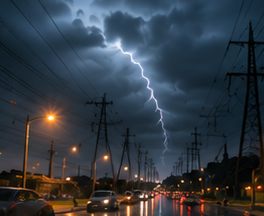 How to prepare for a power cut
Prepare for a power cut: what to keep at home, calling 105, the Priority Services Register, boilers, phones, fridge times and staying warm.
-
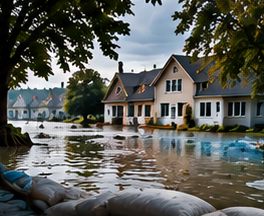 How to prepare for a flood
Before, during and after a flood: flood alert vs flood warning vs severe flood warning, Floodline 0345 988 1188, a flood plan, grab bag and insurance.
-
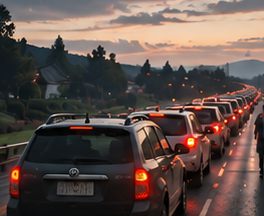 Evacuation checklist: leaving home on official advice
What to do when you are told to evacuate: what to take, gas, water and electricity, rest centres, telling people where you are and returning home.
-
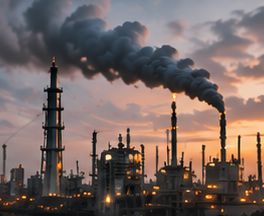 Go in, stay in, tune in: sheltering in a chemical incident
What 'Go in, stay in, tune in' means in a chemical incident: where to shelter, vents and windows, children at school, pets, and Remove, Remove, Remove.
-
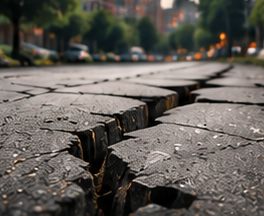 What to do in an earthquake
What to do during and after an earthquake, indoors, outdoors, in a car or a wheelchair, the real risk in the UK and how to prepare before travelling.
-
 Staying safe in a heatwave
Keep yourself and your home cool in a heatwave: who is most at risk, medicines in hot weather, heat exhaustion versus heatstroke and when to call 999.
-
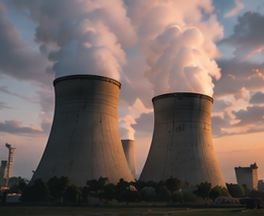 What to do in a nuclear or radiation emergency
Official UK advice for a nuclear or radiation emergency: go in, stay in, tune in, where to shelter, for how long, decontamination, food and water.
-
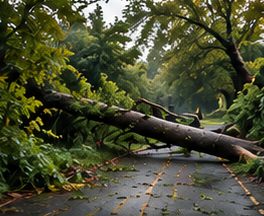 How to prepare for a storm
Prepare for a named storm in the UK or Ireland: securing your home and garden, travel, fallen power lines, where to stay and what to check afterwards.
-
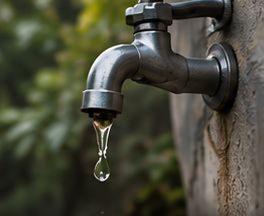 No water from the tap: outages, boil notices and getting by
What to do when the taps run dry or a boil water notice is issued: how to boil, what is safe without boiling, water stations, toilets and hygiene.
-
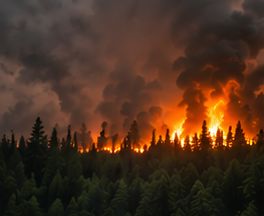 Wildfire safety in the UK and abroad
What to do if you see a wildfire in the UK, how to stop one starting, how to protect yourself from smoke at home and in the car, and wildfires on holiday.
- Go bag checklist: the grab bag for leaving in a hurryA go bag (grab bag) checklist based on UK, Irish and Red Cross advice: medicines, documents, water, light, clothing, cash and contacts for leaving fast.
- The 72-hour emergency kit: what to keep at homeHow much water and food to keep at home for three days, what the UK Be Ready checklist contains, and where UK, Irish and US figures differ.
- Important documents in an emergency: what to keep and copyWhich documents to keep ready for an emergency, what to copy, how to protect paper from water and how to store digital copies safely on your phone.
- How to do CPR on an adultAdult CPR under the 2025 UK guidelines: call 999 on speaker, push 5 to 6 cm deep at 100 to 120 a minute, use a defibrillator. Children in brief.
- How the UK warns you in an emergencyHow UK Emergency Alerts reach your phone, what they sound like, the last national test, whether a 2027 test is planned and why there are no sirens.
- After a flood: the first days and weeksAfter a flood: going back safely, photos for the insurer, pumping out, protective clothing, drying against mould, water and food, and where to get help.
- Baby emergency kit: feeding, water and supplies for infants in an emergencyA baby emergency kit by CDC, FDA, NHS and Be Ready advice: ready-to-feed formula, safe water, breastfeeding in a crisis, nappies and what else to pack.
- Ireland's Be Emergency Ready booklet explainedIreland's Be Emergency Ready booklet in plain terms: who sent it, the checklist, power and water outages, Eircode, Met Éireann warnings and key numbers.
- The UK Be Ready campaign explainedWhat the UK government's Be Ready campaign, launched on 22 October 2026, asks of households: the checklist, three days and the Priority Services Register.
- What the 2025 Spain and Portugal blackout teaches householdsWhat the 28 April 2025 blackout in Spain and Portugal showed households, from official reports: timings, cash and cash machines, phones and home supplies.
- Go bag, bug out bag or 72-hour kit: which do you needBug out bag, go bag, get-home bag and 72-hour kit compared: what each is for, what UK, Irish and US official guidance says, and which to sort out first.
- Car emergency kit: what to carry and what to do when you are stuckWhat Be Ready, the Met Office and the RAC say belongs in the car, the Highway Code on warning triangles, and what to do if snow traps you.
- Carbon monoxide: the invisible danger from makeshift heating and barbecuesCarbon monoxide: symptoms, what to do at once, CO alarm rules in England and Scotland, gas emergency numbers and why barbecues stay outdoors.
- Cooking from your emergency food supply, simply and safelyWhat to eat first in a power cut, meals from tins and oats with no cooking, saving fuel and water, and why camping stoves and barbecues stay outdoors.
- Anxiety about crises: handling worry without being overwhelmedWorried about war, blackouts or extreme weather? What helps with crisis anxiety, how to handle the news, talking to children, and where to get support.
- Emergency preparedness app: how to tell a good oneEmergency app, preparedness app, prepper app: how to judge one, why UK Emergency Alerts still come first, and what CryMap does and does not do.
- Cyber attack or IT outage: what a household can doWhen card payments, online banking and the phone network fail: cash, paper contacts, backups and avoiding scams, based on Be Ready and the NCSC.
- Emergency alert apps: what you need in the UK and how to set it upIs there a UK emergency alert app? What reaches your phone without one, flood warning sign-up, Met Office alerts, Ireland and the US, and setting up.
- UK Emergency Alert tests: what was tested and how to use the next oneUK national Emergency Alert tests: when they took place, what the message said, why some phones stay silent, and how to use a test to check your own plans.
- Emergency alerts by country: how the UK, the EU and the US warn youHow the UK, EU countries and the US send emergency alerts to phones: cell broadcast, the EU rule, Germany, the Netherlands, US WEA and alerts abroad.
- Cash for an emergency: why, how much and where to keep itWhy to keep cash for an emergency, how much, in which notes and coins, where to keep it safe, and how to avoid the scams that follow every crisis.
- Emergency food supply: what to keep and how muchWhich long-life foods to keep for an emergency, how to plan three days of no-cook meals, special diets, dates and rotation, and cooking without power.
- Emergency kit list for UK homesA UK home emergency kit list by category, from Be Ready and the British Red Cross: first aid contents, radio, cash, documents, babies, pets and the car.
- Emergency kit checklist for US householdsAn emergency kit checklist for US homes from Ready.gov and the American Red Cross: water by the gallon, a 3-day go-kit, a 2-week home kit, work and car.
- 112, 999 or 911: which emergency number to callWhich emergency number to call in the UK, Ireland, the EU, the US and Australia, how to text 999 if you cannot speak, and what to try when networks fail.
- Emergency planning with a disability: warnings, 999 and equipmentEmergency planning with a disability: alerts you can see and feel, 999 without speech, spare equipment, talking to responders and getting out safely.
- Emergency preparedness for older and disabled peoplePriority Services Register, NI and Irish care registers, medicines, powered equipment, telecare, a support network and cold weather: a practical plan.
- Preparing children for emergenciesHow to talk to children about emergencies, teach them to call 999 or 112, pack their own bag, check school plans and help them cope with frightening news.
- Emergency toilet: staying clean when you cannot flushWhen the toilet will not flush: the bag toilet the UK's Chief Medical Officers describe, washing hands with little water, and what to keep at home.
- Emergency water storage at homeHow much water to store per person, keeping bottled and tap water, how long it lasts, making water safe and what UK water companies provide in an outage.
- Sheltering at home in a radiation emergencyWhere to shelter at home in a radiation emergency: houses, flats and tall buildings, preparing the room, what to keep there and how long to stay in.
- Family emergency communication plan: filling in the FEMA templateHow to fill in FEMA's family emergency communication plan: out-of-town contact, four meeting places, school and work plans, important numbers, practice.
- How to make a family emergency planMake a family emergency plan: the questions it must answer, contacts on paper, two meeting points, who does what, schools and work, practice, a template.
- First aid kit checklist for your homeWhat to keep in a home first aid kit, how each item is used, quantities for a family, medicines and prescriptions, car and go-bag kits, and checks.
- First aid in an emergency: what you can do until help arrivesFirst aid in a storm, flood or long power cut: recovery position, severe bleeding, burns, broken bones, shock and hypothermia, based on UK guidance.
- Food safety during a power cutHow long food stays safe in a fridge (about 4 hours) and freezer (24 to 48 hours) in a power cut, the 8°C rule, what to eat first and when to refreeze.
- Smell gas? What to do about a gas leak at homeSmell gas at home? The steps from HSE, fire services and US pipeline regulators, the UK emergency number 0800 111 999, and what never to switch on or off.
- Helping your neighbours: getting through an emergency togetherHow to organise neighbourly help before an emergency: who needs support, passing on warnings, a street plan, sharing kit safely, limits, and volunteering.
- Home fire safety: smoke alarms, an escape plan and what to do in a house fireHome fire safety from GOV.UK, fire services, Ready.gov and the US Fire Administration: smoke alarms, chip pan fires, escape plans and what to do in a fire.
- How to call 999 so help arrives quicklyHow to call 999 or 112: what the call handler needs, giving a location without an address, silent calls, 999 without speech, and when 111 or 101 fits.
- How to prepare for an emergency at homeA step-by-step household plan based on UK and Irish government advice: know your risks, three days of supplies, a written plan, warnings and neighbours.
- Making water safe in an emergency: what works and what does notMaking water safe in an emergency: settle and strain, boiling, filters and pore sizes, purification tablets, UV, and when water must not be drunk at all.
- Hurricane preparedness checklist: what to do before, during and after the stormA hurricane preparedness checklist from Ready.gov, the Weather Service and the Red Cross: watch vs warning, evacuation zone, supplies, home, aftermath.
- Misinformation in a crisis: how to spot false reportsHow to spot false reports and fake warnings in an emergency: typical signs, three checks before sharing, what real UK alerts look like, and scams to avoid.
- Offline maps for emergencies: how to navigate without signalWhy your phone's GPS works without signal but its maps do not, how to download offline maps, what to mark in advance and why paper maps still matter.
- Pandemic preparedness: how a household gets readyHow a household prepares for a pandemic: supplies so you can stay home, medicines, caring for someone who is ill, NHS 111 and vaccines, from UK advice.
- Pet emergency plan: keeping animals safe in a crisisA pet emergency plan for dogs, cats and small animals: the kit, UK microchip rules, evacuating with pets, sheltering at home, horses and livestock.
- When phones and the internet go downWhat to do when phones and broadband fail: reaching 999 without your network, digital landlines, Emergency SMS, radio and a contact plan on paper.
- Potassium iodide tablets explainedWhat potassium iodide (iodine) tablets protect against, why you take them only on official instruction, who should be careful and how UK plans work.
- Backup power at home: power bank, power station, generatorBackup power for a power cut: power bank sizes, power stations, solar and home batteries, generator safety, petrol storage rules and medical equipment.
- Power outage preparedness for US homesPrepare for a power outage in the US: two weeks of supplies, medical devices, fridge and freezer times, generators 20 feet away, CO alarms, downed lines.
- Prepping for beginners: sensible preparation without the bunkerPrepping without a bunker or panic: what the UK and Irish governments ask of households, where beginners start and which purchases you can skip.
- A prolonged power cut: what fails after hours, a day and several daysWhen a UK power cut lasts days: what stops after hours, a day and several days, payments, the Priority Services Register and lessons from Storm Arwen.
- Buy a ready-made grab bag or pack your own: a sober comparisonPre-packed emergency grab bag or one you pack yourself: what every bag must hold, what no kit can include, how to check a bought set, costs and upkeep.
- Run Hide Tell: what to do in a weapons or terrorist attackRun Hide Tell, the UK police advice for a weapons attack, and Run Hide Fight from Ready.gov: when to run, how to hide, what to tell 999 or 911.
- Snow, ice and frost: getting safely through severe winter weatherSnow, ice and frost: what winter warnings mean, power cuts in the cold, driving and the car kit, falling snow and ice, roofs, and never going onto ice.
- Distress signals: how to get help when you have no signalHow to signal for help without phone signal: six whistle blasts or torch flashes a minute, SOS in Morse, calling Mountain Rescue, guiding a helicopter.
- How to keep warm and cook safely without powerHow to keep warm and cook when the power is off in winter: why heating stops, one warm room, layers, hypothermia, and the carbon monoxide risks to avoid.
- Flash flooding and surface water: what you need to knowSurface water flooding after a downpour: why any street can flood, how to check your risk, what to do at home and in the car, and protecting your home.
- Thunderstorms: how to protect yourself from lightningThunderstorm safety outdoors and at home: flash-to-bang count, the 30-minute rule, the crouch position, cars, tents, water and first aid after a strike.
- Tornado safety: what a watch and a warning mean, and where to take shelterTornado safety from the Weather Service, Ready.gov and the Red Cross: watch vs warning, the safest room, mobile homes, cars, overpasses and the aftermath.
- Tsunami safety: natural warning signs, official alerts and what to doWhat to do in a tsunami: natural warning signs, tsunami watch, advisory and warning, evacuation zones and routes, and NOAA and FCDO advice for travellers.
- Two-way radios for emergencies: what works without a licence and what range to expectWalkie-talkies for emergencies: what the rules allow for FRS, GMRS, PMR446, CB and amateur radio, which need a licence, and what range you can expect.
- Civil defence and resilience in the UK: what the government has in placeCivil defence in the UK: the Civil Contingencies Act, local resilience forums, the Home Defence Programme, warnings, shelter and what you can do.
- Weather warnings explainedWhat a yellow, amber or red Met Office warning for a storm, wind or snow means, what to do at each level, and how Met Éireann and UKHSA alerts differ.
- Wind-up and emergency radios: choosing one without the sales talkChoosing an emergency radio without the sales talk: FM and DAB, batteries, wind-up and solar, which stations to tune to, and the car radio as a backup.
Get started
Put CryMap on your phone.
Free, no account. On Google Play for Android and on the App Store for iPhone and iPad. On a computer, the button shows a QR code for your phone. CryMap then starts like any other app, even without a connection.