
Guides
Evacuation checklist: leaving home on official advice
A flood, a fire or another emergency can force you out of your home at short notice, sometimes for hours and sometimes for days. When the police, fire service or council tell you to leave, the most useful thing you can do is go promptly with what you need. This checklist sets out how, based on UK government, council and Irish government advice.
Updated:
CryMap is an emergency preparedness app for households that also works without a signal. Checklists for the most common emergencies are in CryMap too, offline and sized for your household. Get it for free
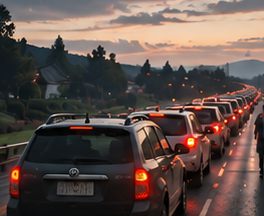
When you are told to leave
The UK government's Be Ready advice is direct: if the authorities ask you to evacuate, do so promptly. Delaying or refusing can put your life and the lives of responders at risk.
You will usually be told where to go. Councils open rest centres, which Torfaen County Borough Council describes as short-term basic shelter for people who have had to leave home. You can also choose to stay with friends or relatives. If you do, tell the emergency services at the scene, so you can be accounted for. Tell them too about any older or disabled neighbours who may need help.
Plan before it happens
Decide in advance where you could go: a friend or relative nearby and another further away, in different directions. Ready.gov, the US government's preparedness site, also suggests agreeing a meeting place and one contact outside the area whom everyone in the family can call.
Learn more than one route out of your area. Keep a grab bag packed and know where your water stop tap, gas valve and fuse board are. Ireland's Be Emergency Ready booklet suggests writing your plan on paper, since phones, internet or electricity may not be available, and saving a photo of it on your phone.
The checklist for the door
If it is safe and there is time, Torfaen Council and Ireland's booklet suggest taking the items below. Do not let packing delay you.
- Your grab bag, if you have one
- Medication and prescription glasses
- Mobile phone and charger
- Personal identification and key documents, including insurance details
- Cash and debit or credit cards
- House and car keys
- Warm and waterproof clothing, spare clothes and blankets
- Hygiene items
- Pets, with leads, carriers or baskets
- Food for special diets
- Emergency contact numbers
Gas, water and electricity
Follow the instructions you are given. GOV.UK flood guidance says you need to turn off mains water, gas and electricity if you have to leave your home during a flood, and only if it is safe to do so. Torfaen Council asks you to switch off all appliances before you go.
Find the switches before you need them. GOV.UK says the water stop tap is usually inside where the supply enters the property, or outside near the boundary under a cover. The gas valve is next to the gas meter, and the main electricity switch is on the fuse board.
Ready.gov suggests unplugging small appliances and electronics but leaving fridges and freezers plugged in unless there is a risk of flooding. Ireland's booklet adds a warning: you can turn water and electricity back on yourself, but gas must be turned back on by a qualified engineer.
Close and lock doors and windows before you leave.
Travelling: routes and roads
Use the routes the authorities recommend. Ready.gov warns against shortcuts, which may be blocked, and advises watching for washed-out roads, damaged bridges and fallen power lines. Never drive into flooded areas.
Ready.gov also suggests keeping at least half a tank of fuel in the car at all times and filling up if evacuation looks likely, because petrol stations may be closed or unable to pump during a power cut.
Telling people you are safe
Leave a note at home saying when you left and where you are going, as Ready.gov suggests, and let your contact outside the area know too. If you go to friends rather than a rest centre, make sure the emergency services know.
Be Ready asks people to check on neighbours or others who may need help, if it is safe. Phone networks can be busy or down, so keep a paper list of numbers in your bag.
Returning home
Go back only when the authorities say it is safe. Ready.gov advises checking with officials both where you are staying and at home before you travel, and warns that going back before debris has been cleared is dangerous. Keep clear of fallen power lines and report them. If you use a generator, run it outdoors and away from the house, never inside, in a garage or on a balcony.
If your home has been flooded or damaged, read our flood guide before you start clearing up, and contact your insurer first.
Frequently asked questions
Should I switch off utilities when evacuating?
Follow the instructions you are given. GOV.UK flood guidance says to turn off mains water, gas and electricity if you leave during a flood, but only if it is safe.
Where do evacuees go in the UK?
Councils open rest centres that provide short-term basic shelter. You can also stay with friends or relatives, but tell the emergency services so you can be accounted for.
Can I refuse to evacuate?
UK government advice is to evacuate promptly when asked. Delaying or refusing can put your own life and the lives of responders at risk.
Can I take my pets?
Council guidance lists pets with leads, carriers or baskets among the things to take if it is safe. Ask your council in advance how pets are handled locally.
What if I stay with friends instead of going to a rest centre?
That is fine, but tell the emergency services at the scene before you leave, so you can be accounted for.
Sources
- GOV.UK Be Ready – Be informed about hazards
- GOV.UK – Prepare for flooding (printable version)
- Torfaen County Borough Council – Emergency evacuation
- Office of Emergency Planning, Ireland – Be Emergency Ready booklet (copy hosted by South Dublin County Council)
- Ready.gov – Evacuation
This page summarises the advice of the organisations named. In an emergency, follow the instructions of your local authorities.
Contains public sector information licensed under the Open Government Licence v3.0.